
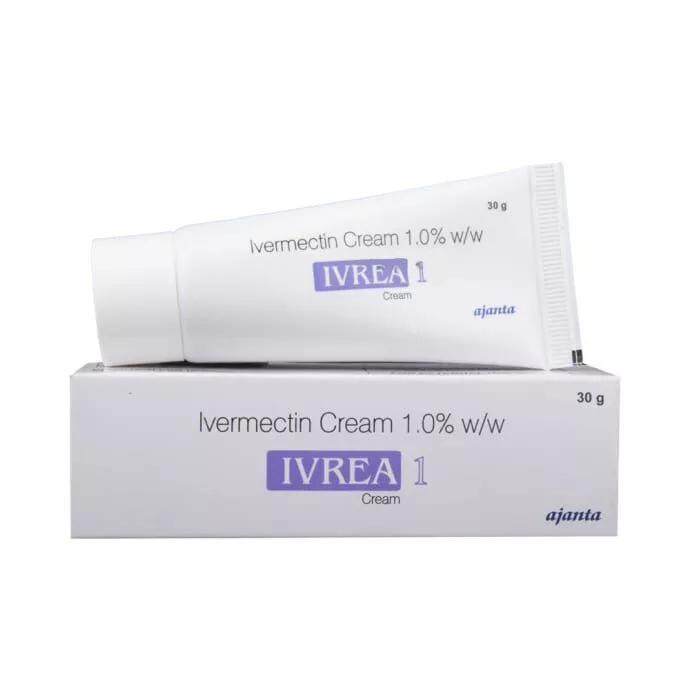
Description
“Ivermectin Cream 1%: Complete Guide to Uses, Dosage, Side Effects & Benefits”
What Is Ivermectin Cream?
Ivermectin Cream is a topical medication used to treat inflammatory lesions of rosacea, a common skin condition, and sometimes other parasitic or mite-related skin issues. It contains ivermectin, an antiparasitic agent that has both anti-inflammatory and anti-parasitic properties.
It is applied directly to the skin to reduce redness, bumps, and skin irritation caused by conditions like rosacea, demodicosis, or scabies (off-label).
⚙️ Mechanism of Action
Anti-parasitic action: Ivermectin binds to glutamate-gated chloride channels in nerve and muscle cells of parasites (like Demodex mites), leading to paralysis and death.
Anti-inflammatory action: It helps reduce skin inflammation, papules, and pustules commonly associated with rosacea.
💡 Common Uses (Indications)
Rosacea (Papulopustular type) – FDA-approved indication
Demodex folliculitis – mites associated with acne and rosacea
Scabies (off-label topical use)
Head lice and body lice (off-label)
Other skin parasitic infections under medical supervision
📏 Dosage and Administration
✅ Typical Adult Use:
Apply a pea-sized amount once daily to each affected facial area (forehead, chin, cheeks, and nose)
Use on clean, dry skin
Avoid contact with eyes, lips, and inside the nose
Wash hands thoroughly after application
🧒 Children:
Generally not recommended for children under 18 years unless prescribed for lice or scabies (off-label)
🕒 Duration of Treatment
Clinical improvement may be seen in 2 to 4 weeks, but 12 weeks of continuous use may be needed for optimal results
Can be used long-term under supervision for rosacea maintenance
⚠️ Contraindications
Known hypersensitivity to ivermectin or any components of the cream
Not intended for oral, ophthalmic, or vaginal use
⚠️ Warnings and Precautions
Use with caution in individuals with severely damaged skin (e.g., open wounds)
Not a cure for rosacea—controls symptoms but does not eliminate underlying cause
Avoid excessive use or application over large body surfaces
💢 Side Effects
Common:
Mild skin irritation
Redness
Burning or stinging
Dry skin
Less Common:
Worsening of rosacea (initially)
Swelling, itching, or rash
Eye irritation if accidentally applied near eyes
Serious allergic reactions are rare. Discontinue use if rash, hives, or swelling occurs.
🤰 Use in Pregnancy and Breastfeeding
Pregnancy: Classified as Pregnancy Category C – use only if clearly needed
Breastfeeding: Minimal systemic absorption; likely safe with caution. Avoid application on or near the breast area
🔄 Drug Interactions
Topical ivermectin is not known to have significant drug interactions
Always inform your doctor if you’re using other topical medications, especially corticosteroids or retinoids
📦 Storage Instructions
Store at room temperature (15–25°C / 59–77°F)
Do not freeze
Keep out of reach of children
Keep the tube tightly closed when not in use


Reviews
There are no reviews yet.