

Description
“Augmentin 375 mg Tablet: Complete Guide to Uses, Dosage & Side Effects”
🔬 What is Augmentin 375 mg?
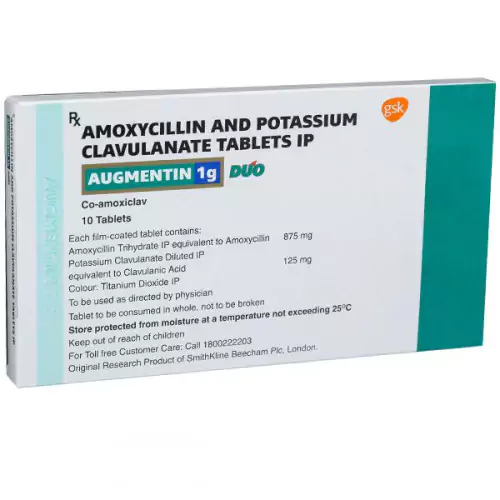
Augmentin 375 mg is a broad-spectrum antibiotic used to treat a wide range of bacterial infections. It combines Amoxicillin, a penicillin-type antibiotic, with Clavulanic acid, a β-lactamase inhibitor that enhances amoxicillin’s effectiveness against resistant bacteria.
This formulation helps overcome antibiotic resistance by inhibiting enzymes (β-lactamases) that would otherwise inactivate amoxicillin.
⚙️ Mechanism of Action
Amoxicillin works by inhibiting bacterial cell wall synthesis, causing cell lysis and death.
Clavulanic acid blocks β-lactamase enzymes produced by resistant bacteria, allowing amoxicillin to remain effective.
Together, they offer broad antibacterial coverage, including β-lactamase-producing organisms.
💡 Common Uses (Indications)
Augmentin 375 mg is used to treat:
Respiratory tract infections (e.g., bronchitis, pneumonia, sinusitis)
Ear infections (otitis media)
Urinary tract infections (UTIs)
Skin and soft tissue infections
Dental infections
Bone and joint infections
Infections resistant to plain amoxicillin
📏 Dosage and Administration
✅ Typical Adult Dosage:
Augmentin 375 mg tablet taken every 8 hours (three times daily)
Take with food to minimize gastrointestinal side effects
Note: The 375 mg dose is generally used for mild to moderate infections. More severe infections may require higher strengths (e.g., 625 mg or 1 g formulations).
💧 Important Notes:
Do not crush or chew tablets unless advised
Complete the full course even if symptoms improve early
Dosage may be adjusted based on kidney function
🚫 Contraindications
Known allergy to penicillins or cephalosporins
History of cholestatic jaundice or liver dysfunction due to Augmentin
Severe liver or kidney disease (use with caution)
⚠️ Warnings and Precautions
Use with caution in patients with renal impairment
Monitor liver function during prolonged use
Risk of antibiotic-associated diarrhea, including Clostridium difficile infection
May reduce the effectiveness of oral contraceptives
Avoid alcohol during treatment (may increase GI upset)
💢 Possible Side Effects
Common:
Nausea
Vomiting
Diarrhea
Skin rash
Abdominal pain
Less Common:
Dizziness
Headache
Vaginal yeast infections
Rare but Serious:
Severe allergic reactions (anaphylaxis)
Liver dysfunction or hepatitis
Blood disorders (e.g., thrombocytopenia)
Seizures (in very high doses or with renal dysfunction)
Seek immediate medical help if you experience severe rash, difficulty breathing, or jaundice.
🤰 Use in Pregnancy and Breastfeeding
Pregnancy: Generally considered safe (Category B); consult a doctor
Breastfeeding: Small amounts pass into breast milk; generally safe but monitor for diarrhea or yeast infections in the infant
🔄 Drug Interactions
Oral contraceptives: May reduce effectiveness
Allopurinol: Increases risk of rash
Probenecid: Increases blood levels of amoxicillin
Methotrexate: May increase toxicity when taken together
📦 Storage Instructions
Store at room temperature (15–25°C)
Keep in original packaging, away from moisture and light
Keep out of reach of children


Reviews
There are no reviews yet.